
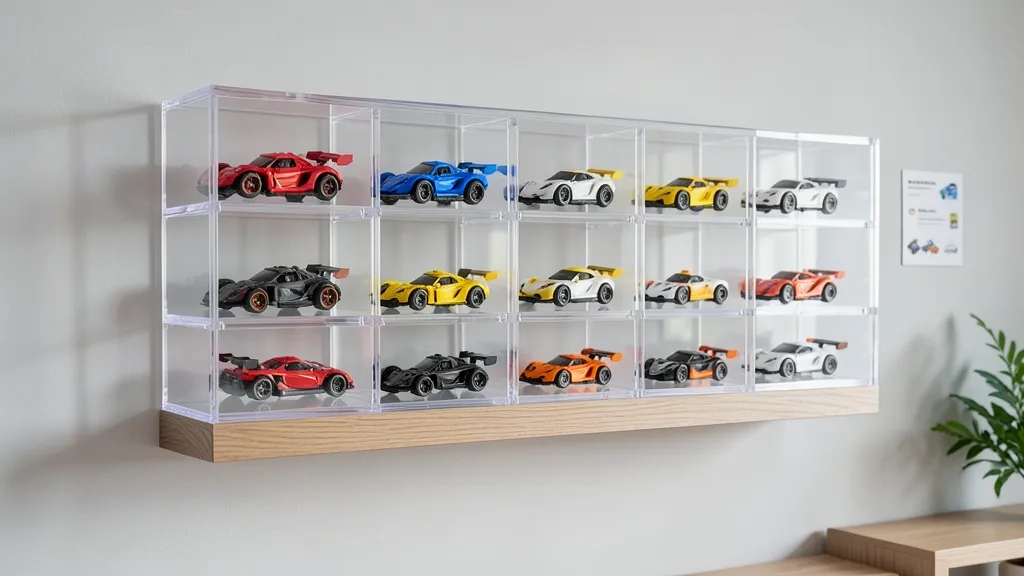
A display case is more than just furniture; it is the stage where your most treasured possessions tell their story. Whether you are showcasing die-cast models, minerals, antique figurines, or award pieces, the clarity of the glass and the integrity of the frame directly influence how those objects are perceived. The 42210 display case is a popular choice among collectors in Hong Kong and beyond because it balances a clean aesthetic with practical accessibility. However, like any investment piece, it demands consistent care. Dust, humidity, fingerprints, and minor mechanical wear can gradually dull its brilliance if left unattended. This guide walks you through a practical, experience-based maintenance routine that covers daily habits, deep cleaning, protective placement, and troubleshooting, so your cabinet remains a dazzling showcase for many years.
Essential Daily and Weekly Care
Dusting the Exterior: Soft Microfiber Cloths for Glass and Frame
The single most effective habit you can build is a light, regular dusting of the exterior. Hong Kong’s dense urban environment means airborne particulates accumulate quickly, especially in apartments near major roads or construction zones. A soft microfiber cloth is your best tool here because it traps particles rather than pushing them across the surface, which reduces the risk of micro-scratches on both glass and frame finishes. Keep two separate cloths: one dedicated to glass and one for the frame, to avoid transferring oils or grit from one material to another.
For weekly maintenance, start at the top of the 42210 display case and work downward. Dust naturally settles, so beginning at the crown prevents debris from falling onto surfaces you have already cleaned. Use gentle, overlapping strokes rather than circular scrubbing. On the frame, pay attention to recessed edges, corner joints, and the top cornice, where dust tends to accumulate unnoticed. If your case sits in a room with a lot of foot traffic, a quick pass every two to three days will keep the exterior looking sharp without requiring a full cleaning session. Avoid feather dusters, as they tend to redistribute dust into the air rather than remove it, and never use paper towels on glass, since their fibers can leave lint and cause abrasion over time.
Cleaning Glass Panels: Streak-Free Techniques and Recommended Cleaners
Glass is the face of your display, and streaks are the fastest way to undermine its visual impact. The key to streak-free cleaning is not a stronger product but a better technique. Begin by removing loose dust with a dry microfiber cloth. Then apply a small amount of cleaner to the cloth, not directly onto the glass, to prevent liquid from running into frame joints and seals. A 50/50 mixture of distilled water and white vinegar works well for most situations, while a mild, ammonia-free glass cleaner is suitable for tougher films of grease or fingerprints.
Work in small sections, wiping horizontally on the inside and vertically on the outside. This cross-hatch method lets you instantly identify which side a streak is on. Buff immediately with a dry, lint-free cloth. Avoid cleaning glass in direct sunlight or when the surface is hot, as rapid evaporation encourages streaks and smears. In humid Hong Kong summers, condensation can form on cooler glass; wipe it dry rather than letting it sit, since mineral deposits from repeated evaporation can cloud the surface over time. If you own a 10365 display case in a secondary room, the same technique applies, but be mindful that smaller panels require more frequent edge detailing because the frame-to-glass ratio is higher.
Wiping Down Frame Materials: Specific Care for Wood, Metal, or Acrylic
Frame materials require a differentiated approach. Wood frames should be wiped with a barely damp microfiber cloth and immediately dried. Avoid silicone-based polishes, which can attract dust and leave an uneven sheen; a pH-neutral wood soap diluted in water is usually sufficient. Once or twice a year, a thin application of natural furniture wax can protect the finish, but test it on a hidden area first. Metal frames, particularly powder-coated steel or anodized aluminum, tolerate a slightly damp cloth, but acidic cleaners should be avoided because they can pit the surface. Dry metal frames thoroughly to prevent water spots, especially around welded joints and screw holes.
Acrylic components demand the most caution. Never use alcohol, ammonia, or abrasive pads, as these can craze or scratch the surface. Instead, use lukewarm water with a drop of mild dish soap, wipe gently, and rinse with a clean damp cloth before drying with a soft towel. Static buildup is common on acrylic, so an anti-static microfiber cloth can help repel dust between cleanings. If your collection includes a 21062 display case with mixed materials, always clean the most delicate component first so that residue from stronger cleaners does not transfer onto it.
Deep Cleaning and Interior Maintenance
Removing Dust from Inside: Vacuuming or Gentle Wiping of Shelves and Corners
Interior dust is inevitable, even in a well-sealed cabinet. Plan a deep clean every eight to twelve weeks, or more often if you notice a visible film on shelves. Start by removing all contents and placing them on a soft, clean surface. Use a vacuum cleaner fitted with a soft brush attachment on its lowest suction setting to draw dust from shelf surfaces, back panels, and corner crevices. A crevice tool wrapped in a microfiber cloth is excellent for the tracks where glass doors slide.
For shelves that cannot be removed, wipe with a slightly damp microfiber cloth, then dry immediately. Pay special attention to the interior top panel, where rising warm air deposits fine dust, and to the bottom corners, which are easy to overlook. If your 42210 display case has mirrored backing, clean it with the same streak-free method used on the front glass, but use a lighter touch to avoid disturbing the reflective coating. After cleaning, allow the interior to air dry completely before returning your collectibles, as residual moisture can encourage mold in Hong Kong’s humid climate.
Cleaning Collectibles: Gentle Dusting or Specialized Cleaning for Displayed Items
The contents of your case deserve as much attention as the case itself. Before cleaning any item, identify its material and finish. Die-cast models generally respond well to a soft brush and a microfiber cloth, while painted figurines may require a gentle blower or a dry, soft-bristled brush to avoid paint loss. Never use water on porous materials such as untreated wood, terracotta, or certain mineral specimens. For glass and ceramic collectibles, a lightly dampened cloth followed by a dry buff is usually safe, but avoid immersing items with gilt or decal decoration.
Establish a rotation system so that not every item is handled at once. Handling less frequently reduces the risk of accidental drops and wear on moving parts. When returning items, ensure they are completely dry and free of cleaning residue. If you display items alongside a 10365 display case in a different room, keep a small labeled cleaning kit for each cabinet to avoid cross-contamination of solvents and brushes. Document any item that requires specialist care, such as antique textiles or taxidermy, and consult a conservator rather than experimenting with household products.
Air Circulation: Minimizing Humidity and Stale Air
Hong Kong’s average relative humidity frequently exceeds 80 percent during the summer months, which is a serious concern for collectors of metal, paper, and wood. Stagnant air inside a sealed case can create a microclimate where condensation forms on cooler surfaces. If your 42210 display case includes ventilation ports or adjustable gaps, keep them slightly open to encourage gentle air exchange. Place a small, silent dehumidifier nearby or use silica gel packets in a concealed tray, replacing them when the indicator changes color.
For cases without ventilation, open the doors briefly during dry days to refresh the interior air. Avoid placing the case against an exterior wall that becomes cold in winter, as this creates a temperature differential that promotes condensation. A simple hygrometer placed inside or beside the case provides useful data; aim for a relative humidity between 40 and 55 percent. The table below summarizes target conditions for common collectible materials.
| Material | Ideal Humidity | Key Risk |
|---|---|---|
| Die-cast metal | 40–50% | Rust and corrosion |
| Paper and photographs | 40–50% | Warping and mold |
| Wood | 45–55% | Cracking and swelling |
| Textiles | 40–50% | Mildew and fading |
Protecting Your Investment
Optimal Placement: Avoiding Direct Sunlight, Extreme Temperatures, and High-Traffic Areas
Where you place your display case matters as much as how you clean it. Direct sunlight fades pigments, warps acrylic, and heats the interior unevenly. Position the 42210 display case away from south- and west-facing windows, or use UV-filtering film on nearby glass. Keep it at least one meter from air-conditioning vents, radiators, and kitchen heat sources, since rapid temperature swings stress frame joints and seals. In compact Hong Kong apartments, it is tempting to place cabinets in hallways, but high-traffic zones increase the risk of knocks, vibration, and accidental contact.
Choose a location with a stable, level floor and enough clearance for doors to open fully without striking walls or furniture. If the case sits on a wooden floor, use felt pads under the base to absorb vibration and prevent scratches. Avoid placing heavy items on top of the case unless the manufacturer specifies a load limit. For a 21062 display case used as a secondary showcase, the same principles apply, but smaller units are more easily displaced, so consider anchoring them to a wall bracket if children or pets are present.
Preventing Scratches: Using Soft Pads Under Heavy Items, Careful Handling
Scratches on shelves and glass are permanent, so prevention is the only real strategy. Place soft, museum-grade felt or silicone pads beneath heavy collectibles, especially metal models and stone specimens. These pads distribute weight and prevent grit from grinding against the shelf surface when items are shifted. When handling items, wear clean cotton gloves to avoid transferring oils, and always lift rather than slide. Keep a dedicated soft brush and cloth inside the cabinet area so that minor dust can be addressed without searching for supplies.
Glass shelves should be lifted out rather than dragged when rearranging. Check the edges of glass panels periodically for chips, which can propagate into cracks under load. Avoid stacking items directly against the rear glass, as vibration from closing doors can cause contact damage. If you rotate displays seasonally, mark shelf positions with removable labels so that heavy items return to reinforced areas.
Securing Contents: Preventing Items from Shifting or Toppling
Earth tremors are rare in Hong Kong, but building vibration, door closures, and accidental bumps are common. Secure tall or top-heavy items with removable adhesive putty or clear museum wax, which holds firmly but releases cleanly. Place heavier objects on lower shelves and lighter pieces above, following the same logic as a well-packed moving box. Use acrylic risers with non-slip feet to create tiered displays without compromising stability.
For items with delicate protrusions, such as model aircraft landing gear or figurine accessories, ensure a clear margin from door swing paths. If the 42210 display case has sliding doors, install a simple stop or check that the track is clean so doors do not slam. Review your arrangement after any cleaning session, since items may have shifted slightly during handling. A quick stability check now prevents a costly accident later.
Addressing Wear and Tear: Checking Hinges, Locks, and Seals Periodically
Mechanical components quietly degrade over time. Every few months, inspect hinges for looseness, squeaks, or rust, and apply a tiny amount of silicone lubricant to metal hinges if recommended by the manufacturer. Check locks and latches for smooth operation; a stiff lock should be addressed before it seizes or scratches the frame. Magnetic catches lose strength over time, so test that doors close flush and replace worn magnets or bumpers as needed.
Seals and gaskets around doors are critical for dust exclusion. Run a finger along the seal to feel for hardening, cracks, or compression set. Clean seals with a damp cloth and allow them to dry fully; avoid petroleum-based products that can degrade rubber. If you notice persistent dust inside the case, the seal is the first suspect. Keep a simple maintenance log with dates and observations, which is especially useful if you own multiple units such as a 10365 display case and a 42210 display case and want to track their service history separately.
Troubleshooting Common Issues
Dust Accumulation Inside: Checking for Gaps, Sealing Options
If interior dust returns within days of cleaning, identify the entry point. Shine a flashlight along door edges, corner joints, and cable routing holes while the room is darkened. Common culprits include worn door sweeps, unsealed gaps around glass panels, and oversized ventilation ports. Self-adhesive foam weatherstripping can close small gaps without altering the case’s appearance, and clear silicone sealant can be applied to fixed joints. For sliding doors, brush-style sweeps are effective at trapping dust while allowing movement.
Do not seal a case completely if it houses materials sensitive to off-gassing, such as certain plastics and paints. A balance between dust exclusion and minimal air exchange is ideal. After sealing, monitor for condensation on the glass during humid periods; if it appears, restore a small ventilation gap and address room humidity instead.
Fingerprints and Smudges: Quick Cleaning Methods
Fingerprints are most visible on glass doors and dark frame finishes. For a quick fix, keep a microfiber cloth and a small spray bottle of distilled water mixed with a drop of mild soap. Spray onto the cloth, wipe the smudge gently, and buff dry. For stubborn oily marks, a dedicated glass cleaner applied to the cloth works well. Avoid wiping in direct sunlight and never use abrasive creams, which leave a haze that attracts more fingerprints.
On matte metal frames, fingerprints can be removed with a dry microfiber cloth followed by a very light buff. If smudges persist, a damp cloth with a trace of dish soap is safe for most powder-coated surfaces. Dry immediately to prevent water marks. Encourage household members to use the door handle rather than touching the glass, and consider adding small, discreet pull tabs if the case lacks handles.
Lighting Malfunctions: Checking Connections, Bulb Replacement
Display lighting enhances the presentation but is a common failure point. If lights flicker or fail, first check the power supply and any inline switches. Ensure that plugs are fully seated and that extension cords are not overloaded. For LED strips, inspect the connection points where strips join or bend, as these are frequent failure locations. If only part of a strip fails, a loose connector is more likely than a failed strip.
When replacing bulbs, match the voltage, wattage, and color temperature specified by the manufacturer. LED replacements generate less heat, which is beneficial for enclosed cases and humidity control. Before replacing any component, unplug the case and allow bulbs to cool. If the 21062 display case uses magnetic or clip-on lights, check that the contacts are clean and free of corrosion. Keep spare bulbs and connectors on hand so that a failure does not leave your collection in the dark for long.
Maintaining a display case is a rhythm of small, consistent actions rather than occasional intense effort. By dusting weekly, deep cleaning periodically, controlling humidity, and inspecting hardware, you protect both the case and the objects it holds. The 42210 display case is designed to present your collection at its best, and with thoughtful care, it will continue to do so for years, preserving the clarity, finish, and security that make it a worthy showcase.