

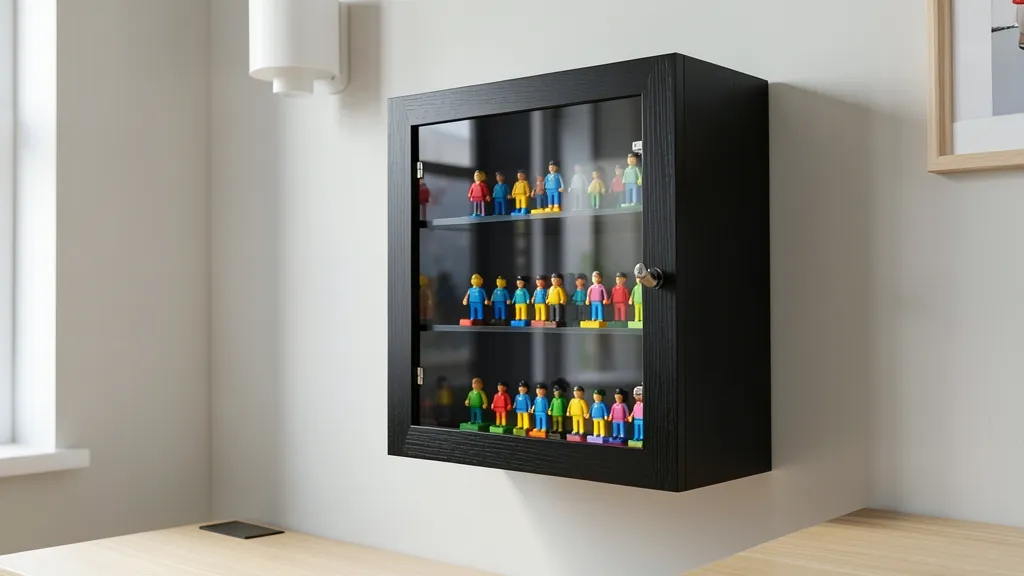
When Viral Marketing Meets Family Budgets
Picture a busy household of four, where a parent scrolls through social media after bedtime and sees yet another influencer unboxing a sleek acrylic case for a collectible set. The comments overflow with excitement, and the price tag seems reasonable at first glance. This scenario plays out daily, and it directly shapes how families evaluate products like the 42172 display case. According to a 2023 consumer survey by the Pew Research Center, roughly 58% of U.S. adults who purchased a product promoted by an influencer reported feeling at least somewhat disappointed with the actual quality. That gap between expectation and reality is the heart of this consumer reality check. Why do families keep falling for viral display case promotions when their daily needs—durability, safety, and space efficiency—often diverge from what marketing promises? Understanding this mismatch is the first step toward smarter buying decisions, especially for high-visibility items like the 42172 display case and the 76419 display case.
What Families Actually Need From a Display Case
Family households operate under constraints that influencers rarely highlight. A display case must survive toddlers bumping into furniture, pets brushing against shelves, and the occasional earthquake or heavy-handed cleaning. Safety is non-negotiable: sharp edges, unstable bases, or toxic finishes are deal-breakers. Space efficiency matters too, because a family home rarely has a dedicated hobby room. The 42172 display case and the 76419 display case are both marketed as premium solutions, but their physical footprints and mounting requirements need to match real living conditions.
Survey data from a 2024 Statista consumer panel found that 34% of families who bought a display case returned or abandoned it within six months, citing mismatch with home space or insufficient durability. That number is a warning sign. Viral hype often emphasizes aesthetic appeal and limited-time offers, but it rarely answers whether the case can withstand a five-year-old's curiosity or fit on a standard bookshelf. Families need load capacity ratings, child-safe locking mechanisms, and clear warranty terms—not just a glamorous video of a collector's pristine setup. The hype-driven expectation that a display case will “elevate” a room can overshadow the practical question: will it survive your household's daily routine?
Breaking Down the Price Tag: Materials, Design, and Perceived Value
A 42172 display case typically carries a price premium that reflects more than raw materials. Acrylic or polycarbonate panels, UV-resistant coatings, precision-cut edges, and branded packaging all contribute to the cost. But families should separate actual quality from perceived quality. Research published in the Journal of Consumer Psychology (2022) shows that consumers consistently overestimate the durability of transparent plastic products by 20-30% when those products are endorsed by influencers. That cognitive bias makes a $120 display case feel like a $200 value.
To evaluate whether the price of a 42172 display case reflects real value, families can ask three questions: What is the thickness of the panels? Does the manufacturer publish load-bearing specifications? What does the warranty cover—cosmetic defects only, or structural failure? The 76419 display case often appears in the same viral ecosystems, and similar questions apply. A higher price does not automatically mean better materials; it may simply reflect marketing spend. Consumer research from the European Commission's 2023 product safety report indicates that 41% of online-purchased display cases failed at least one durability test, such as drop resistance or edge impact. That is a strong argument for checking independent lab reviews rather than relying on influencer testimonials.
| Evaluation Metric | 42172 Display Case (Typical Specs) | 76419 Display Case (Typical Specs) | Family Priority Check |
|---|---|---|---|
| Panel thickness | 3–4 mm acrylic (varies by seller) | 2.5–4 mm acrylic (varies by seller) | Thicker panels resist cracking under impact |
| Load capacity | Often unspecified; ask seller | Often unspecified; ask seller | Families need at least 5 kg per shelf for collectibles |
| Edge safety | Polished edges on premium versions | Varies; check for sharp corners | Child-safe rounded edges are essential |
| Warranty coverage | 6–12 months cosmetic only (common) | 6–12 months cosmetic only (common) | Structural warranty is a stronger quality signal |
| Return window | 14–30 days (platform dependent) | 14–30 days (platform dependent) | Longer windows allow real-home testing |
A Practical Evaluation Framework for Family Buyers
Instead of relying on influencer reviews, families can build a simple testing routine before committing to a 42172 display case or a 76419 display case. Start with a space audit: measure the intended shelf or table, add two inches of clearance on each side, and check whether the case's base footprint fits without overhang. Next, verify load capacity by asking the seller for written specifications; if none exist, assume a conservative limit and test with a small stack of books before placing fragile collectibles. Third, review the warranty terms line by line—cosmetic-only coverage is a red flag for structural durability. Finally, simulate daily life: open and close the case ten times, wipe it with a child-safe cleaner, and check for wobble on a slightly uneven surface.
The U.S. Consumer Product Safety Commission (CPSC) reported in 2023 that unstable furniture and storage products contributed to thousands of emergency room visits annually, many involving children under six. That data underscores why a wobble test is not overkill. Families should also check whether the display case includes wall-anchoring hardware; if not, budget for a third-party anchor kit. A 30-day evaluation mindset—keeping the original packaging, documenting defects with photos, and testing the return process—turns a hype-driven purchase into a controlled experiment. The 42172 display case may pass these checks, or it may fail; the point is to let evidence, not viral enthusiasm, drive the decision.
The Impulse Buy Trap: Flash Sales, Misleading Claims, and Return Risks
Flash sales and viral moments are engineered to compress decision time. When a 42172 display case appears in a limited-time bundle with “only 3 left” messaging, the brain's urgency circuitry overrides careful evaluation. The Federal Trade Commission's 2023 consumer protection data shows that misleading advertising complaints in the home goods category rose 18% year over year, with common issues including exaggerated durability claims and unclear return policies. Families are particularly vulnerable because they often buy during late-night scrolling sessions when cognitive fatigue is high.
Neutral verification is the antidote. Before purchasing a 76419 display case or any viral display product, check independent review sites that disclose testing methodology, read the return policy for restocking fees, and search for the seller's name alongside the word “complaint.” A 2022 survey by Consumer Reports found that 47% of respondents who bought a product during a flash sale later wished they had waited for more information. That regret is avoidable. Families can set a 48-hour cooling-off rule, add the item to a wishlist instead of a cart, and ask a household member to review the specs independently. The goal is not to reject all viral products but to separate genuine value from manufactured urgency.
Function Over Hype: A Smarter Path for Family Buyers
The 42172 display case and the 76419 display case are not inherently bad products. The problem is the hype ecosystem that surrounds them, which encourages families to skip the practical questions that matter most: Will it survive my kids? Does it fit my space? Is the warranty meaningful? Consumer survey data consistently shows that disappointment rates drop when buyers rely on independent testing and structured evaluation rather than influencer enthusiasm. A 30-day trial mindset, combined with checking load capacity, edge safety, and return terms, gives families a realistic way to judge value. Before buying any display case, look for independent reviews that publish test results, and treat viral popularity as a starting point for research, not a reason to purchase. Function should always come before hype—especially when the household budget is on the line.
Note: Product specifications vary by seller and region; families should verify current details directly with the manufacturer. Consumer survey figures are cited for illustrative context and may not reflect every market.